Brooke Steele


The main purpose of this Level up task is to help me explore different mediums in coding and art by making my own 2D platformer by the end of the year. I have already programmed and created one 2D simulation game and while I was confident and still am with the artistic aspects I was struggling to code so hopeful this project will improve my skills and make me more confident. This project will help expand my Project one page as I will have more work to add making my website/portfolio stronger and bring my over all grade up , meaning I have better chances of getting the highest marks. In terms of technical skill working in Game Maker will help strengthen my coding skills for my final FMP.

Art Style Insperation
* Don't Starve Together
I adore its hand drawn sketch like art style as it makes the game feel unique and makes it look more handmade. I will incorporate traditional drawing techniques to help my platformer achieve the hand drawn style.
* Little Misfortune
I love the mix of different art style mediums as it makes the game look more like the perspective of a child. While my game is not a horror game I can use inspiration in her 'glitter' segments to create a more child like world.
*Little Big Planet
Little Big Planet uses its 3D style to make it like the sack boy is in the real world, they do this my having object that's look like were found in a house. I want to implement the idea of arts and crafts in my game to create a unique experience towards it and to elevate my game overall, so I use there backgrounds and intractable objects as inspiration.
* Paper Mario
I want to incorporate elements in my game cause while it's a 2D platformer I also wan the game to look like it was stuck together like a collage of mixed media. I will use the Paper Mario series as inspiration as it uses textures like paper and other crafts to create a memorable environment and play style looking like you are actually made of paper.


Idea Page
Scrap Book Style
simple points abt each style
my art showcase of what it looks like
Handmade Style
simple points abt each style
my art showcase of what it looks like


how i can impliment


how i can impliment


Glue / Tap traps
player will die and respawn f caught in them ,similar animation to Little Nightmares. Possible if they have a certain costume on they can survive it once. Is meant to resemble messy tape and glue on the page.
Scrap Book Textures
Using different art styles to convey a world that has a mix of 2D art with 3D textures mixed in it. Making the character pop of the page and seem out of place while exploring words such as a paper world, clay world and other medians.
Scribble Pages
A small section you can unlock by finding new paths in the level, very colourful and messy -child like drawings- can give small info on the trip the family went on, can find new costumes and memorabilia.

Research
Little Big Planet
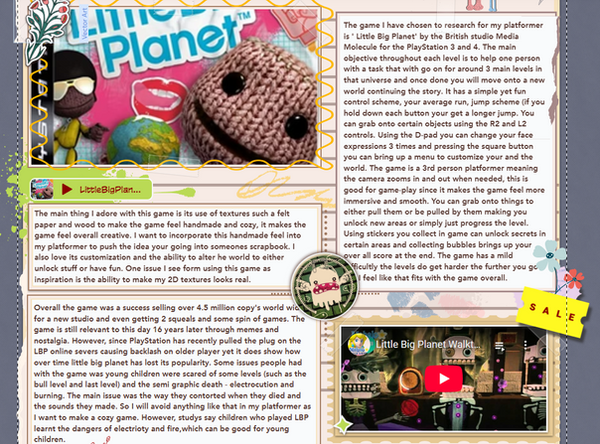
Overall the game was a success selling over 4.5 million copy's world wide for a new studio and even getting 2 squeals and some spin of games. The game is still relevant to this day 16 years later through memes and nostalgia. However, since PlayStation has recently pulled the plug on the LBP online severs causing backlash on older player yet it does show how over time little big planet has lost its popularity. Some issues people had with the game was young children were scared of some levels (such as the bull level and last level) and the semi graphic death - electrocution and burning. The main issue was the way they contorted when they died and the sounds they made. So I will avoid anything like that in my platformer as I want to make a cozy game. However, studys say children who played LBP learnt the dangers of electrioty and fire,which can be good for young children.
The main thing I adore with this game is its use of textures such a felt paper and wood to make the game feel handmade and cozy, it makes the game feel overall creative. I want to incorporate this handmade feel into my platformer to push the idea your going into someones scrapbook. I also love its customization and the ability to alter he world to either unlock stuff or have fun. One issue I see form using this game as inspiration is the ability to make my 2D textures looks real.
The game I have chosen to research for my platformer is ' Little Big Planet' by the British studio Media Molecule for the PlayStation 3 and 4. The main objective throughout each level is to help one person with a task that with go on for around 3 main levels in that universe and once done you will move onto a new world continuing the story. It has a simple yet fun control scheme, your average run, jump scheme (if you hold down each button your get a longer jump. You can grab onto certain objects using the R2 and L2 controls. Using the D-pad you can change your face expressions 3 times and pressing the square button you can bring up a menu to customize your and the world. The game is a 3rd person platformer meaning the camera zooms in and out when needed, this is good for game-play since it makes the game feel more immersive and smooth. You can grab onto things to either pull them or be pulled by them making you unlock new areas or simply just progress the level. Using stickers you collect in game can unlock secrets in certain areas and collecting bubbles brings up your over all score at the end. The game has a mild difficultly the levels do get harder the further you go but I feel like that fits with the game overall.

This introduction level has been my main insperation point for my platfromer. I adore its use of texture, creativity and its handmade quailty feeling like the game was made with house hold iteams. The music and narration makes the player feel calm and safe while learing the rules. These elements makes the game feel cosy and unqiue to play, which is my main goal of my platformer ; to create a game that feels like it was put together with house hold iteams. The way the world opens up and teaches mechanics to the player already sets the tone of the game that the player will experience a world full of life and emotion. Ways I can accomplish this is by learning how to create 2D assets that look like textures plastered on a paper background, I can also use this to develop my overall story. This will help my platformer stand out as it will look hand made and use techeics to add life towords it.
Main things I want to take away from this game out its mechaincs, Such as jump levels, grabing onto objects and collecting stickers/bubbles. I want to use these mechanics to make levels feel more intractable; by grabbing objects you can create your own paths, decorate the world with stickers , make the player feel more alive and creating a high score at the end. I also want to use the range of styles and level types ( Day of the dead, medieval times, the savanna, etc ) to create a unique experience as it will make the game more memorable. I can implement a feature where you can explore different level types to help the scrap book style feel more alive as you explore the different images and surrounding writing. By doing this I can make vastly different worlds work in unison.
However, while this game is amazing and did have another love and it sold extremely well and even selling two sequels and some spin offs unfortunately the game and IP has dwindled in sales and popularity. Recently PlayStation has pulled the plug on the LBP online severs permanently removing all custom levels and online play, while most people assumed this would happen it still caused upset and morning for this IP. Another thing to present the downfall of Little Big Planet is PlayStation replacing its mascot from the Sackboy to the Astro boy. The main reason the game had a downfall was the changes in the new installments that fans didn't like the new craftables you had to make to continue and the fact the IP is over 16 years old and older IP's are harder to revamp and bring back.
One key aspect LBP has that makes the game nostalgic and memorable for players is its vast selections of songs ( Here's a YouTube OST of the game). The game has a wide range of song genres such as rock, orchestral, blues and more smaller genres ; some of the music is just ambiance noise for more spooky and slow levels, some are jazzy and funky instrumentals and some are real songs sung by the original singer ( most of the songs are also different in language). Each song helps elevate the experience of its level and sets the tone even simple things as how fast the tempo is can indicated whether the level will be hard or not. I want to create score that help not just make my level sound nice but fit in with , make the player feel happy, sad , calm or fear to make levels more memorable and unique.
To compare the narrative voice between Stanley Parable and LBP, they both share the same voice inflection and feelings during the tutorial moments , calming the player and easing them through the first parts of the game. While the main difference between both the narration are the fact that Stanley after a while if you decide to disobey what he says he gets more and more annoyed while the narrator in LBP does not, this can show the difference in games overall having Stanley Parable be a more adult game compared to LBP. By having a soft spoken narrator the game feels less stressful even in hard times such as if you need to restart, both games and narrators are both soft spoken, funny and memorable ; most people when you talk about both games will point out how much the like and remember both narrators before talking about the games story or gameplay.
One feature I would like to implement into my platformer is the aesthetic of my game looking like it was put together in real life with house hold equipment and textures. An example of this could be, paper mache waves, glued down sand for the beach , paper pulleys for exploring new areas. I want my playformer to feel lively and handmade to emphasize the feeling of being trapped in a scrap book, by using this as a reference I can create 2D models of art's and craft's items to elevate my games aesthetic and make it stand out to other platformers.


Research
what game
who by
objective
control sceme
camra
game mechanics
unique mechanics
difficliyy
influence
The game I have chosen to research is 'Happy Wheels' by indie developer 'Jim Bonacci' published to both PC and mobile devices. The main objective in Happy Wheels is to reach the finish line by traversing through a range of obstacles. It has a simple control scheme of the left and right controls moving left and right when you hold them down, it also has a mechanic when you press the 'Z' key you can grab rope to be able to swing yourself across. It has a range of different characters and transport from a family bike to a lawnmower. The game is a 3rd person platformer where the camera scroll with the character but doesn't zoom in, this makes the game feel fast paced and rough which works with the games style. There are many community made levels that have different play styles from, speedrun levels to dropper levels to strategy knife throwing. This shows me that the community even after a decade is still strong and cares about the characters and world that Happy Wheels has to offer as even in 2025 their are videos still being made of it. The game has a mild difficulty as each level and custom world has a range of difficulty dependent on the creators work.
Happy Wheels


did the game do well, what issues did people have, did they improve in other instalments.
thing i can use, pros cons, why is the game good
i like level customs skibibdi
mechaincs
issues and sales
nostagga
nostagga
cartoon physics

Simularitys
Diffrences
* Customaizable levels / abitly to alter levels
* Cartoon physics
* Dark moments
* Ability to grab
* Semi open world
* Memroable music
* Abilty to vustomize characters
* Genre changes
* Play style changes
* Mechanic diffrences
* Visual style changes
* Changes in basic movment
* Ability to collect things
* Diffrence in developed story

Mexico


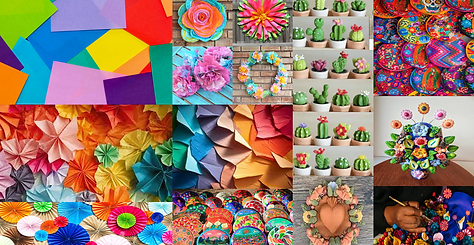
From these mood boards
mood board mexico refs
write simple ideas
craft ideas
mood board game refs

Japan
This mood board presents to me a collection of video games inspired by Japaneses culture, some games being : Persona , Okami and Yakuza.

mood board mexico refs

craft ideas
* 3 main worlds : Tokyo , Kyoto gardens, Takayama
*paper/origami art style, paper dolls
* Lots of patterns
* Crafting mall boats, gilders
*Walking on WiFi rails / trees
*Goal to find the godly seamstress to find the kimono photo the family wore
*Talk to origami animals and people for info
*Travel on a kitsune
*puppeteering

England

mood board game refs

mood board mexico refs

craft ideas
write simple ideas
One Sheet One
Application is no longer available.
One Sheet Two
Application is no longer available.
texture tips
mood boards of diffrentl locations/conturyes and what style they should be (oragami, felt, scriibles)
ideas
story book
mood board
levles getting more detailed
bowser jr
customizable paper
your a enaty going in story books to find your purpose, style will change unlock stuff, new levels
Character Concept art

Base character Sketches


diffrent styles for each book
Origami media sketches
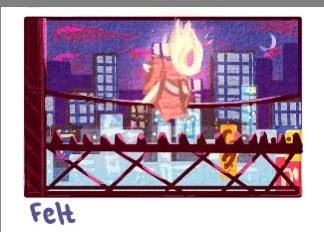
Clay media sketches
crochet media sketches
concluesion
coluir pallete
refrence sheet, finsihed design, base animations, story baordsturn arounds
Analyzing Imagery

Resident Evil Village


By looking at this image I can clearly tell that this game is set in a normal human world that seems to have a darker undertone. As its clear there is no abnormal entities such as spores, bodies, or any indication of the supernatural. I can also infer from this image that this world is most likely a game for the horror/thriller genre, I can tell by its dim and cold atmosphere and heavy detail on the decaying old building, as another non horror/thriller game wouldn't emphasis the buildings wear and tare. I think the emotions the developer wanted to convey was a feeling of dread and or fear about entering the farm ; they have done this by adding fog, adding dead greenery and emphasizing on the details of the farm looking abandoned and dangerous by the cult like elements such as disembodied animal caucuses. This would impact the player by upsetting them with entering the farm as farms mostly take care of animals such as pigs and seeing them brutalized would embark disgust and unease onto the player. Plus the over all tone of he farm makes are brains give a signal to not enter out of are fight or flight responses. I believe that this game successfully conveys the emotions it want to convey as it does its job by making the player nervous to continue your journey. This is very good for horror games as it shows a level of skill to create paranoia and worry with needing jump scares or seeing the threat yet.
Positive narratives lead to increased empathy, empowerment, motivation, and improved mental health by helping people process experiences, understand themselves and others, and foster connection and growth.
Positive Outcomes with good narrative
Keep players invested
Generates strong characters
- Last of Us Joel and Ellie
Creates clear stakes and goals
-Little Big Planet
Generates consequences
-Zelda: Link's Awakening Stealing
Consistent in conveying information


good pacing
Click on images for extra information to understand and see my reasoning on why these games work.
bad conquencs
negative Outcomes with bad narrative
Keep players uninvested
-Subnautica
Generates weak characters
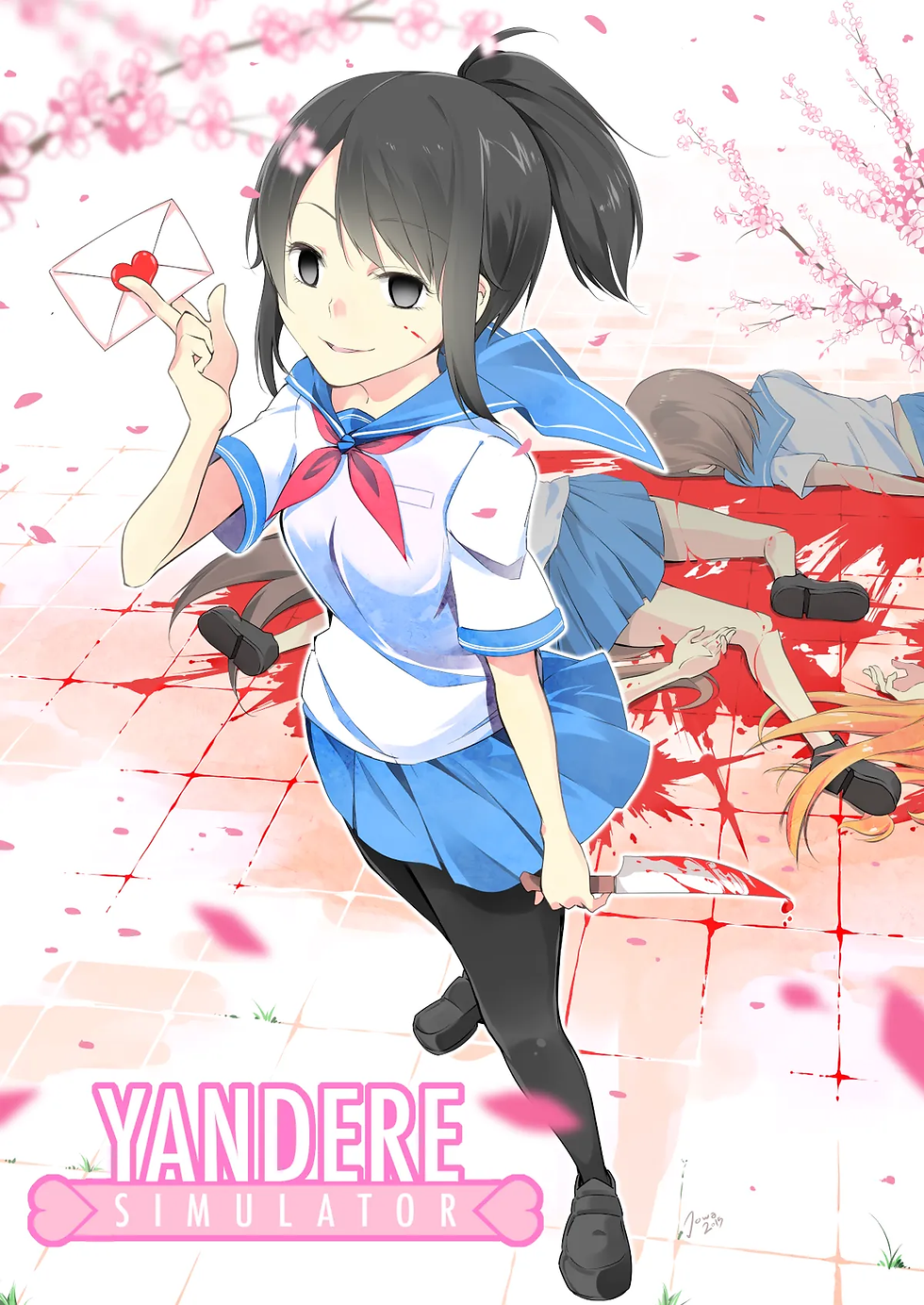
-Yandere Simulator
Creates messy stakes and goals
-Kingdom Hearts
Generates no consequences
-WD TellTale
Consistent in conveying misinformation
-Danganrompa


rushed game (addmore)
bad pacing
-Dark souls
Click on images for extra information to understand and see my reasoning on why these games don't work.


A complementary colour is a colour that sits opposite a given colour on the colour wheel, such as red and green, blue and orange, or yellow and purple. When placed next to each other, complementary colours create a strong contrast, appear more vivid, and enhance each other's intensity.
An analogous colour is one of a group of three or more colours that sit next to each other on a colour wheel, sharing a common hue to create a harmonious and cohesive palette. For example, blue, blue-green, and green are analogous, as are red, red-orange, and orange. Analogous color schemes are often used in art and design to create a sense of calm, serenity, and depth, and are frequently found in nature.
A triadic colour is one of three colour's, evenly spaced around the colour wheel, that form an equilateral triangle when connected, creating a vibrant and bold colour scheme that is often used in art and design. For a 12-colour wheel, this means there are three colour's in the scheme, with four colour's positioned between each one.
Colour Theory


Elden Ring
I feel like the game is trying to convey a feeling of dread and fear in this area, due to the bold red lighting demonstrating the danger of this place and the dark grim grays and blacks the plague the environment showing that most natural life even trees and grass could survive this place. However, the developer is also conveying a small semblance of hope in its place as far away there a only two healthy golden green trees breaking apart the pure red agony. The use of colour in this place indicates that the developer want the player to be on edge as it's clear that this place is lurking with powerful and deadly being as they have killed mother nature so easily, yet it also shows how you might have a chance to beat them as those two tress show there small flaws.
The reason I have chosen SlikSong for this research is due to the range in colour the game has in it's environment. Some areas showcase a vibrant green in jungles, to colder blues and grays in the cave and dungeon sections. The use of an analogous colour scheme helps elevate the mood of the location from ranges of dull and bland grays and or the vibrant , bold pops of green in the jungle. It sells the game as an exploration games as the vast difference in colour in environments show the range of places you will find.
From what I can tell they are using an analogous colour scheme very dull reds and grey for the rocks around showing a decayed and rotten area this is further pushed on because of the dead trees surrounding the landscape and the sky's with a crimson red hue gives a strong contrast in my opinion for a new player they will get the vibe that this area is dangerous, which could make them on edge and careful where they explore this place. I believe the developer had a similar idea of what they were making an area devoid of life I think this because the only creature we can see from that image is a (from what I see) two crows sitting on the rocks with no other life in sight.
Colour in a video game can significantly alter a player's mood, from generating urgency with warm tones like red to evoking calmness with cool tones like blue, and can also guide gameplay by highlighting important interactive objects, enemies, or safe zones. Designers use colour to create a specific atmosphere, convey narratives through shifts in palettes, establish spatial relationships, and signal game mechanics, all of which shape the player's emotional experience and approach to the game world. This world in particular will make the player feel on edge making their mood low as they want to be safe.

Symbolism
The ways you can create good symbolism ion your story and gameplay are by having visual and thematic clues. For instance, using symbols like treasure chests or mystical artifacts can stir emotions like excitement and curiosity, drawing players into the narrative. Narrative Enrichment:Symbols contribute to deeper storytelling by conveying complex ideas or hidden meanings. An example is Pyramid Head in Silent Hill. Character and Setting Representation: Symbols are used to develop characters, settings, and even philosophical concepts. For example, the golden, animal-shaped masks of the VIPs in Squid Game symbolize their power, wealth, and role as observers. Gameplay Mechanics:
Symbols can act as visual shortcuts for game mechanics, helping players understand complex concepts.

Last Of Us
Symbolism is crucial in games because it enhances understanding and immersion by using visual, auditory, or mechanical cues to convey complex ideas quickly, allowing for quick player interpretation and decision-making. It provides a universal, wordless language for conveying meaning, fostering cultural connections, and building emotional engagement by evoking moods, reinforcing narratives, and guiding player actions. Symbolism also allows designers to explore deeper themes, such as philosophical concepts, existential dilemmas, and cultural narratives, enriching the overall player experience.
Symbolism in games is the use of visual elements, characters, settings, or mechanics to represent deeper meanings, themes, or concepts that enrich the player's experience and deepen the narrative. Symbols can convey game mechanics, evoke emotions, hint at underlying narratives, or explore philosophical ideas, acting as visual shortcuts to complex information or as storytelling devices that foster player engagement and emotional investment. For example, a large throne would usually be able to symbolize power, while a window that is in a set could show freedom for the outside world.
The Last of Us uses symbols such as moths, giraffes, and light/darkness to explore themes like humanity, hope, and loss. The moth tattoo on Ellie symbolizes her embrace of the duality between light and darkness, rebirth, and self-destruction. Giraffes represent innocence and a yearning for a better future, appearing in moments of hope and escapism before and during the infection's onset. The Fireflies' slogan "Look for the Light" ironically subverts the simple idea of a clear-cut good versus evil, highlighting the moral complexities of their actions and the story's emphasis on finding hope within difficult choices.
Games that could be perceived as having bad symbolism are typically those that are so poorly executed that their intended meaning becomes obscured or nonsensical, or games that use symbolism in a clumsy, offensive, or simplistic way, making it a detriment rather than a benefit to the game's quality. Symbolism can go wrong by the message having a poor execution, heavy handed symbolism where the message is feed to you in a boring way and misinterpreted symbolism when after your game the player is confused on the message you have gave.

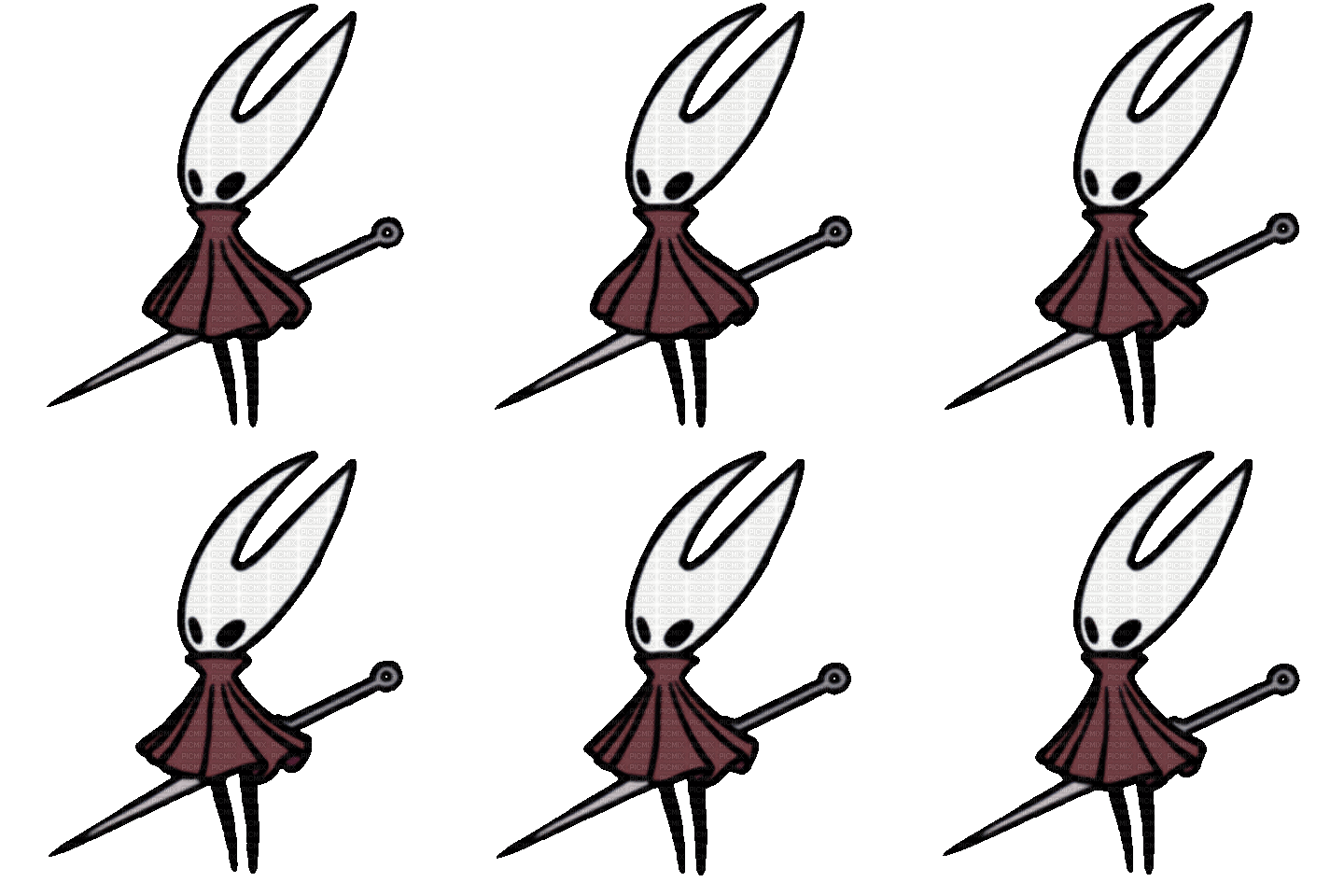
This link into SilkSong since in SilkSong, silk represents control and enslavement, binding beings into a forced, mindless state for the Citadel's service, while song symbolizes power and the mystical force that manipulates these silk-bound creatures. These two opposing concepts are central to the game's lore and gameplay, with Hornet herself being a weaver who uses silk as her primary resource and power source in her quest to free the kingdom of Pharloom. Its use of symbolism makes the game eve better as each attack and mechanic has more weight and meaning towards the player and the character Hornet.
Framing
"Framing" in gaming has two primary meanings: it can refer to using visual composition techniques like doorways or foliage to draw the player's eye to a specific subject, or it can refer to the timing of events in frames, such as in fighting games where "frame data" details the precise timing of moves. Less commonly, it can refer to the way media presents gaming to the public, like focusing on its benefits or threats. To reiterate, the principle of framing, especially in the video game context, requires strong visualization, coherent action, a specific time frame, and finally clear navigation through the game world.
![Lossless-Scaling-Frame-Generation-HEVC.mp4_snapshot_02.47_[2024-07-03_12.35.57]](https://static.wixstatic.com/media/9f176b_d5ca47a79ba74bb19be5392034f3df0b~mv2.webp/v1/fill/w_414,h_233,al_c,q_80,enc_avif,quality_auto/9f176b_d5ca47a79ba74bb19be5392034f3df0b~mv2.webp)
The framing of this image is made by the use of a wide shot that showcases the whole layout of the castle and the scale of it compared to the player. This shows the scale of the castle by cutting the top of it out of frame. The angle pointed towards the lower city makes you feel like you arent worthy of going straight to the castle. The use of framing in this image will help they player by showing how big the castle is and how long it might take to scale. The framing presents to to audince that this castle is important as its looming over the player making the playable charcater feel small as they seem like the odd thing out in this huge landscape.
Whats a 'Wide Shot' in photography, film-making and video production, a wide shot (sometimes referred to as a full shot or long shot) is a shot that typically shows the entire object or human figure and is usually intended to place it in some relation to its surroundings. This can help show off the world and the scope of the journey, it can also help the player feel free and less cramped just looking at the player.
This links to SilkSong do to it's different framing style as it is a 3rd person camera that is in a wide shot so you can see all around you. The developers have chosen to use their camera like this is so the player can feel free as the game mimics an semi-open world as you explore the land, as one of SilkSong's key parts is exploration. This helps with player immersion as i conveys a feeling of freedom in a small 2D space and helps the narrative that hornet was trapped and the wide shot after escaping is to present how she is now free and is always on the look out.

Dark Souls 3
Whats a 'Close Up Shot' in photography, film-making and video production, a close up shot (or referred to as a zoomed shot of small lens shot) is a shot that typically focuses on the player rather than the surroundings. These shots can be used for intense moment to feel closed up and disoriented ; it can also help show the characters emotion better.

SilkSong Analysis
I have chosen SilkSong as it is a very artist 2D platformer and has all three elements of good, colour theory, symbolism and framing. As it is also a up and coming indie game that has talking the gaming world by storm I wanted to analysis it to see why it was so successful and if those three factors helped in it's growth or if i should use their same techniques in the future.
The use of an analogous colour scheme helps elevate the mood of the location from ranges of dull and bland grays and or the vibrant , bold pops of green in the jungle. It sells the game as an exploration games as the vast difference in colour in environments show the range of places you will find.
In SilkSong, silk represents control and enslavement, binding beings into a forced, mindless state for the Citadel's service, while song symbolizes power and the mystical force that manipulates these silk-bound creatures.
SilkSong's key parts is exploration. This helps with player immersion as i conveys a feeling of freedom in a small 2D space and helps the narrative that hornet was trapped and the wide shot after escaping is to present how she is now free and is always on the look out.
how it helps narritive
helps create a good impact


Level Design and Fundamentals


This is one of my favourite gaming levels not just in Little Big Planet but in my whole experience of gaming. I adore the use of colours to make it stand out compared to the other levels such as those bright yellows and pinks. It's very fun to play as there are many section where you can just bungee jump around the level, and there are many secret areas you can get it in each play through. The wedding level also has an interesting story as the bride as gone missing before being married so we have a main goal by finding her which makes the player want to continue playing.
It's main strengths are the visuals as it look like a vibrant day of the dead universe as it incorporates culture into it's level to make it a good depiction of their holiday. It's colours pop out and the soundtrack is one of my personal favourites as its a Spanish song talking about the fear of forgetting. The level layout is also fun and replay-able as it has low stakes as you can just jump around the world find all the stickers and explore the level to the fullest as there is no timer.
Level Design - Key Terms
FLOW
In level design, flow is how it generally feels to move along different paths / between different parts of a level. Is the path simple or complicated? Straight or curvy? Slow or fast? All of these factors affect the player's movement through the space.
ChokePoints
In level design, choke points are strategically narrow or confined areas that force players into tight combat or control, acting as anchors that control flow, pacing, and player engagement.
*Common in FPS games
*Controls map flow
*Have a strategic point within a level
*Good maps will have many different routes to stop camping
Landmarks
Level design landmarks are distinct, noticeable, and memorable features within a game's environment that help players navigate, orient themselves, and identify their location and objectives.
* Easy/Identifiable features
* Helps player navigate without need of a mini-map
* Used to enhance game flow
* Important to a story (Elden Ring tree for example)
Critical Path
In level design, a critical path is the main, intended route a player must take to complete a level or game objective, often highlighting mandatory content and guiding the player through essential beats, puzzles, or encounters.
*Main route of the level
*Helps developers mange scope and flow
*Helps further the story
*Sometimes able to divert this path.
Affordance
In level design when we talk about affordance, we usually refer to the clues we give to the player, about how something can be used - either through the object itself or the context in which it appears.
* Prevents the need to info dump onto the player
*Dictates how the player interacts with the world
*UI help (press A to jump)
Player Guidance
In level design to provide player guidance through visual and audio cues, such as leading lines formed by architecture and light, strategically placed landmarks, environmental storytelling, and sound design.
Little Big Planet
The Wedding
FLOW
In this level the games overall flow is natural as at the start you get the objective with a character talking to you then you got throughout the level until you reach the end. The pace can be up to the player as they can speed run it or take their time finding all the stickers as their is no time limit or real danger. There are no real cut scenes just a zoom in one the first text box when you speak to someone, which helps the flow as while you are talking the world is still moving ; this helps to not break immersion in the world.
ChokePoints
In the Wedding level I couldn't find any infinitive choke points; this is do to the nature of choke points as games that use them are more so combat or extreme platformer games. LBP while having platformer sections they normal have a save point of 4-5 lives before a deadly section. The game is an explorer game as one objective is that you can find stickers and fins every spot they could be hidden in so it has no timer taking as long as you need making its a varied pace game dependent on the player.
Landmarks

In the wedding level in Little Big Planet there are many landmark areas that most players remember, the balloon section, the opening section were you spawn by the flowers but the most recognizable in my opinion are the skeleton sections in the game. A simple section where when you jump they will open there mouths and even in one bit if you have the sticker you can place the eye on the skeleton and get extra rewards. This improves the level as many people can look back with nostalgia as the landmarks in the level and have fond memory's.
Critical Path
In the wedding level and all of LBP's levels -even the racing ones- their is an end goal to go from point A to point B. While you can explore and get rewarded with points and stickers for exploring new areas to beat the level you need to reach the end. The layout of all levels in the game had a narrow path on just going from point A to B then whole refining the developers added easy stickers to find, then secret stickers you need to find in other levels to unlock, then 2 player levels to unlock more stuff. This most likely helped to create the level with a good flow.
Affordance
In Little Big Planet there is a level that shows and tells the player how to run, jump, grab, customize , respawn and use other features connected to you PlayStation, this being the first levels of that game (the Gardens). However, as this world is the 3rd world in the game the player should know how to do the basic outcomes as grabbing and jumping. Yet the UI does help indicated on what the player could do if they wanted, they show the bubbles in the level and the top corner to show that you can collect points and the poppet you have always shows, stickers collection and costume collection making the player see what they need to find.
Player Guidance

In the wedding level in Little Big Planet there are many landmark areas that most players remember, the balloon section, the opening section were you spawn by the flowers but the most recognizable in my opinion are the skeleton sections in the game. A simple section where when you jump they will open there mouths and even in one bit if you have the sticker you can place the eye on the skeleton and get extra rewards. This improves the level as many people can look back with nostalgia as the landmarks in the level and have fond memory's.

North American game crash
The North American video game crash of 1983 was a major industry recession caused by market saturation with too many consoles and low-quality games, a rise in personal computers, and poor business decisions. This led to the bankruptcy of many companies and a 97% drop in industry revenue from 1983 to 1985. The market was revitalized by the release of the Nintendo Entertainment System (NES) in North America in 1985. This was due to many factors
Market Saturation
The number of consoles and games available was overwhelming. Companies produced a large volume of games, but many were of poor quality, eroding consumer confidence. This lead to companies like Atari and Coleco overproducing hardware and software, misjudging market demand and leading to massive amounts of unsold inventory. This caused people to doubt that video games would be the next big thing so out of risk to get attached to a dead industry they didn't buy and games or consoles
Infamous bad games
Games like the E.T. the Extra-Terrestrial title for the Atari 2600 have been blamed as a symbol of the industry's decline, due to its poor quality and a large number of unsold cartridges. This led to the people already disliking video games to point out the environment pollution they caused when they dumped all those games in a landfill causing the reputation for video games to plummet even more as most people in the 90's were just voicing their worry's on climate change and pollution.
The crash resulted in the failure and bankruptcy of many console and home computer companies causing some new company's to go bankrupt showing others it was risky to indulge in the gaming world. This is also seen in the overall market when the North American video game market shrunk by approximately 97% in a very short period. The crash ended the dominance of American companies like Atari and led to Japanese companies, particularly Nintendo, taking control of the market when it recovered.
How it recovered
The North American video game crash of 1983 was recovered by the 1985 release of the Nintendo Entertainment System (NES). The NES's success was due to Nintendo's strategic decisions, such as avoiding the stigma of "video games," selling the console in toy stores, and implementing a lock-out chip to ensure game quality, which helped restore consumer confidence and rebuilt the market. As the crash was happening in the United States, Japan's game industry started to shift its attention from arcade games to home consoles. On July 15, 1983, two new home consoles were released in Japan: the Nintendo Family Computer (Famicom) and Sega's SG-1000 heralding the third generation of home consoles retrospectively.
New PR
Nintendo released the NES in North America in 1985, marketing it as a "toy" to distance it from the negative connotations of the previous crash. Due to the now ruined reputation of games Nintendo used new marketing techniques to present video games not as this rare luxury but a children toy that can help children skills grow. This lead to many sale form parents as they wanted to see if their claims worked.
Key innovations
Nintendo's control over third-party game development through an "enforcement chip" ensured that games released on the NES met a certain quality standard. For the time it looked as good or even better than arcade games making the aspect of owning you personal arcade game at home seem more worth while as the games released also kept players attention causing a better reputation and more sales.