Safety And Risk Assessment
Physical Hazards
Digital Hazards
Physical hazards in a workspace refer to the potential risks that can cause physical harm or injury to workers due to physical tasks, outside factors or unstable conditions present in the workplace or even a team of people.
Digital hazards in a workspace refer to the potential risks that can cause harm to projects or extra unnecessary work to workers due to mistakes , outside factors or unstable and broken conditions present in the equipment.
Examples for physical hazards and there impacts include :
1. Fires. Not only can expensive equipment and data from projects be lost but human lives can be lost harming the studios name and maybe even canceling the project.
2. Health issues. This incorporates eye strain ,posture and general fatigue ; impacting workers performances in creating assets due to feelings of burn out.
3. Electrical issues. Making sure you understand and know your surroundings and making sure you don't touch exposed wires or deal with faulty equipment.
4. Trips and Slips. Creating a danger free work environment by cleaning up spills or cautioning others to areas that might be wet or unsafe.
5.Workplace harassment. Keeping your team and workers safe, having a safe environment that others that might need help can go to.Having repercussions for people how harass over gender,race, disabilities or religon.
The Lizard Squad
Digital
The Lizard Squad are a notorious hacking group of around seven people who on December 25, 2014 -Christmas Day-, Lizard Squad claimed to have performed a DDoS attack on the PlayStation Network and Xbox Live. This caused many consoles on Christmas to not work as intended. While that is there most known case they have done many horrible things such as, bomb threats, Xbox PlayStation and League of Legends servers being shut down, The Tor Sybil attack and on January 26, 2015, the website of Malaysia Airlines was hacked, allegedly by Lizard Squad, users were redirected to another page showing an image of a tuxedo-wearing lizard, and reading "Hacked by Cyber Caliphate" This also affected the company's image since many people feared that their information was in the hands of these dangerous hackers causing backlash and adults not buying consoles in fear of the Christmas incident happening again and this would cause mass hysteria and conspiracy theory's that this was a planed attack to steal peoples data. Conclusion, this was a dangerous hacking group that harmed the biggest game industry's.
How could this of been prevented and did it stop attacks like these happening again? The main reason this happened was due to weaker password and fire wall protection. Now in 2025 it's rare for hacking's of this caliber to happen to big gaming company's.And the fact more people are aware that this can happen help the public not be as scared as they were back in 2014
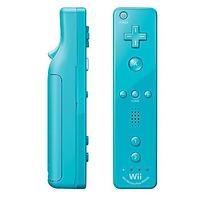
WII Remotes
Physical

Examples for digital hazards and there impacts include :
1. Data loss. the entire game or assets being completely deleted causing issues causing delays crunch times or maybe even canceling the project.
2. Hacking. Making sure your passwords are secure and unable to be used by outside people. This is a big problem for AAA games due to people leaking endings, twists or even a while game ruining its launch.
3. Copyright. Another issue is copyright, making sure you don't use any other IP or assets in a game. Not double checking this could cause legal trouble.
4. Scope creep. The act of continuously adding extra stuff to a game. Making sure you don't add extra stuff before launch help to prevent new bugs and less stress on your end.
5. Deadlines. Timing your work properly so you don't burn yourself out or under-preform. Taking breaks helps combat this as long as you have a smart schedule of when to work.
Around 2006 Nintendo released it's new product the Nintendo Wii. A sleek normally white box with a sleep and power off button and a disk drive but the main aspect of this console was the Wii remote. One of the first wireless remotes used by moving the remote to play . Eg: slicing motions to cut food, throwing motions for sports or just simply pointing it at the screen to move the cursor. While this was a big hit even having new items to slot the remote into for a more immersive experience (such as a steering wheel and numb-chucks) the main issues for being a hand held console can into play. The wrist strap of the Wii Remote has also been an issue. In mid-December 2006, the law firm Green Welling filed a class action lawsuit against Nintendo for its "defective wrist straps". A few days later, Nintendo issued a product recall for the wrist straps and issued a new version of the strap with an improved securing mechanism for the wrist, leading to the lawsuit to be dropped. The main issue with the Wii was the fact people accidentally throwing there remotes into TV's causing more destruction since most games had the player jumping or making fast movements- Just dance Wii party. This caused many to dislike the Wii due to more damage being done by simply the strap not being secured properly causing the Wii U not to do very well. any also didn't like that you had to buy certain remotes for games, the main one being a motion plus remote to play the Will sport Resort ; to combat this Nintendo made a flimsy cheaper rubber mesh to put around the remote to be able to play the game without buying a new one yet it would constantly disconnect.

How did this change contactless games in the future? Nowadays, things like Vr and games using Wii like remotes have more warnings to be careful of surroundings. And the most important thing is that people are aware of what could happen and our more careful. Normally you have to hold the remote to use it like a VR remote instead of a strap having more control over it.


A risk assessment is a health and safety document to make sure the equipment and people in a workspace are safe.The reason this is helpful to learn now is so we are prepared for things like hacking and copyright issues and not panic. This is also helpful for team managing by knowing the basics on keeping people safe.